Maruti Baleno : Maruti Suzuki Baleno has long been one of the most recognizable premium hatchbacks in India, and it is heading toward another important update in 2026.
Recent reports suggest that Maruti is preparing a facelift for the Baleno, with the refreshed model likely to arrive around April–May 2026, while keeping the current 1.2-litre DualJet petrol engine and familiar transmission options.
The Baleno continues to remain a key product for Maruti in the hatchback segment, with current listings showing it as an affordable and feature-rich option in the Indian market.
Why the Baleno Still Matters
The Baleno has built its reputation on a simple formula: practical design, strong fuel efficiency, and a premium feel without stretching too far on price.
Even in a market where SUVs dominate the headlines, the Baleno still attracts buyers who want an easy-to-drive city car with enough space for daily use and weekend travel.
Current spec listings show a 1.2-litre engine, petrol and CNG options, and mileage figures that keep it competitive in its segment.
Maruti’s decision to refresh the Baleno again makes sense because the model still plays a major role in the brand’s hatchback lineup.
A facelift helps keep the car visually fresh and feature-relevant without forcing Maruti into a full redesign, which is often more expensive and time-consuming.
For buyers, that usually means a better-equipped car with minor cosmetic changes and improved cabin appeal.
Also Read: Toyota Glanza 2026 1.2L petrol engine , LED projector headlamps and look is luxury
Expected Design Changes
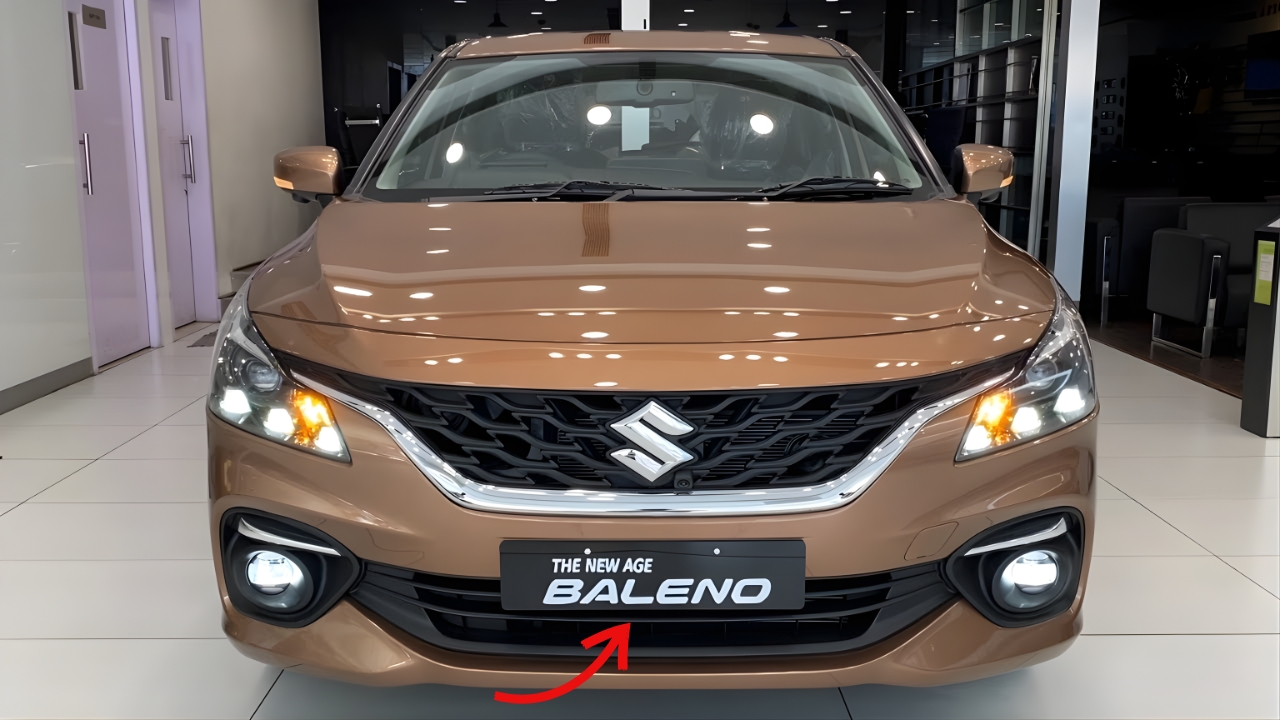
The 2026 Baleno is expected to remain familiar in overall shape, but subtle exterior changes may give it a more modern look.
Reports point to cosmetic tweaks rather than a dramatic transformation, which is typical for a mid-cycle facelift.
That could mean revised bumpers, a slightly updated grille, new alloy wheel designs, and lighting changes to make the car look sharper on the road.
Maruti usually avoids risky styling moves in this segment, and that approach has worked well for the Baleno. The car’s popularity comes from broad appeal, so the facelift is likely to refine rather than reinvent.
In practical terms, that should keep the Baleno recognizable while making it feel newer to buyers stepping into showrooms in 2026.
Cabin And Features
One of the biggest reasons the Baleno continues to stay relevant is its feature list. Current variants already offer essentials like keyless entry, airbags, automatic and manual transmission choices, and a useful boot space of 318 litres.
The facelift is expected to build on that foundation with more premium touches, especially in the infotainment and safety departments.
Also Read: Realme 10 Pro 5G 108MP camera smartphone, 5000mAh battery and premium design
Maruti has already improved the Baleno’s safety package in recent updates, including six airbags across all variants.
That move made the car more appealing to safety-conscious buyers and also aligned it more closely with changing expectations in the Indian market.
For the 2026 update, the focus may shift toward updated connectivity, a cleaner dashboard layout, and a more polished in-cabin experience.
Engine And Mileage
Mechanically, the Baleno facelift is expected to stay close to the current formula. Reports indicate that the 1.2-litre DualJet petrol engine will continue with around 89 bhp and 113 Nm of torque, paired with manual and automatic transmission options.
This is important because the engine has already proven to be suitable for both city traffic and highway use. Current listings also show strong mileage figures, with petrol and CNG variants available in the market.
The petrol version remains attractive for everyday users who want a smooth and efficient hatchback, while the CNG option is aimed at buyers focused on lower running costs.
Maruti’s strength has always been efficiency, and the Baleno’s mechanical setup is one reason it continues to sell well.
Market Position In 2026
The premium hatchback segment in India has become tougher, but the Baleno still has a clear identity. It sits in a space where style, comfort, mileage, and brand trust matter more than outright performance.
Also Read: Kia Seltos All premium SUV with 21Km/l mileage, ventilated seats under ₹10 Lakhs
The upcoming facelift should help Maruti protect that position against rivals that continue to add more features and sharper design updates.
Pricing will matter too. Current 2026 listings place the Baleno’s starting price at around Rs 5.99 lakh in India, though actual on-road costs vary by city and variant.
If the facelift brings meaningful feature upgrades without a major price jump, it could remain one of the strongest value choices in the hatchback category.
What Buyers Can Expect
For a typical Baleno buyer, the 2026 update should be about improvement rather than surprise.
The expected changes are not likely to alter the core formula, but they may make the car more appealing in showrooms with fresher styling, improved cabin features, and continued strong efficiency. That combination is exactly what most Baleno customers look for.
If Maruti gets the balance right, the facelift could extend the Baleno’s life cycle comfortably into the next phase of the market. It is not trying to become a sportier or radically more premium car.
Instead, it is likely to stay true to what it already does well: being a practical, efficient, and easy-to-own hatchback for Indian buyers.
Maruti Baleno : Final Word
The Maruti Baleno remains a significant name in India’s hatchback market, and the 2026 facelift appears designed to keep it competitive without losing its core identity.
Also Read This : Samsung Galaxy F70e 6.7-inch HD display, 50MP camera and high processor at ₹14,999
With expected cosmetic updates, continued safety improvements, and the same trusted 1.2-litre engine, the new Baleno should appeal to buyers who want a familiar car that feels a bit more modern. For many customers, that steady evolution may be exactly what makes it worth waiting for.