Nokia 1100 2026 : The Nokia 1100 remains one of the most recognizable mobile phones ever made, and in 2026 its name still triggers strong nostalgia in India.
Originally launched in 2003, it became a symbol of affordable communication for millions of first-time users, especially across small towns and rural markets.
The phone’s reputation was built not on flashy features, but on reliability, simplicity, and a battery that could last far longer than early smartphones.
Even today, the Nokia 1100 continues to surface in conversations about durable feature phones and the early days of India’s mobile revolution.
Search interest, collector curiosity, and renewed attention around ultra-basic phones have kept the device relevant in a way few products from that era can match.
Why it mattered then
When the Nokia 1100 arrived in India, mobile phones were still becoming mainstream, and affordability mattered more than advanced specifications.
Reports from the period note that it entered the Indian market at a time when mobile adoption was accelerating and many users were buying a phone for the first time. That made the 1100 more than a gadget; it became a practical tool for everyday life.
Also Read: Galaxy S24 Ultra 5G Full HD camera smartphone with 5000mAh battery, snapdragon 8 Gen 3 power
Its appeal was straightforward. The phone offered a monochrome display, basic calling and texting, a compact body, and the kind of ruggedness that suited Indian conditions.
A built-in flashlight and dependable battery life made it especially useful during power cuts and in areas where charging access was limited.
The 2026 conversation
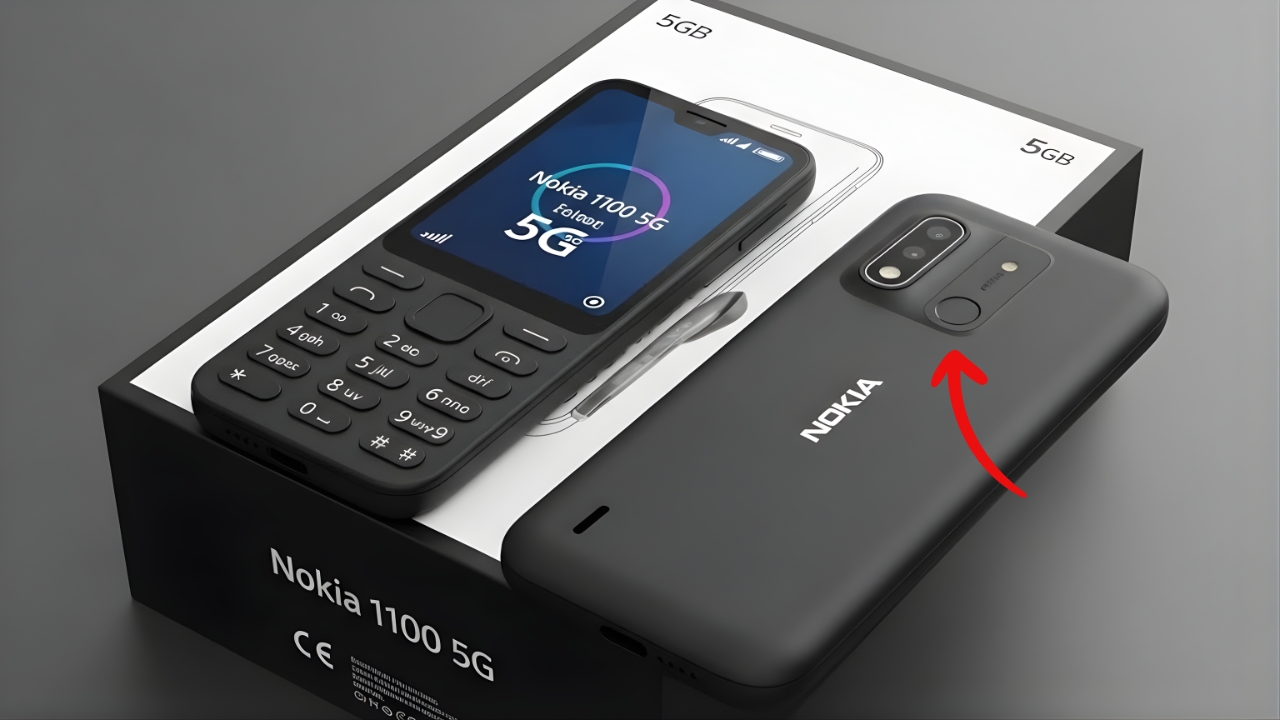
In 2026, much of the attention around Nokia 1100 is not about the original 2003 handset, but about the broader idea of a comeback or reboot.
Some online reports claim a modern “Nokia 1100” variant with 5G, a new display, and refreshed features, but these stories vary widely in credibility and should be treated carefully.
The more reliable angle is that the old name still carries commercial weight because it stands for trust, durability, and simplicity.
That branding power matters in India, where consumers often respond strongly to devices that promise practical value instead of overcomplicated design.
A retro-themed feature phone, especially one positioned as a backup device or a digital-detox phone, could still find an audience. The original Nokia 1100’s image fits that market almost perfectly.
Also Read: Tata Safari 7 seater SUV with 1.5L engine, safety features and bold look at ₹13 Lakhs
Features people remember
The original Nokia 1100 is remembered less for raw hardware and more for the way it solved basic problems well. It had an extremely simple interface, a small black-and-white screen, strong battery backup, and physical buttons that were easy to use without any learning curve. For many users, that ease of use was the real innovation.
Its flashlight became almost legendary in India because it worked as a practical tool, not just a phone feature. Its sturdiness also helped build a reputation that outlived the product cycle.
People still associate the Nokia 1100 with the kind of device that could survive drops, dust, and years of use better than most modern phones.
India’s nostalgia market
India has a strong nostalgia market for older Nokia phones, and the 1100 sits near the top of that memory list.
Many people remember it as their first mobile phone, while others remember family members, shopkeepers, auto drivers, and local businesses using it daily. That emotional connection keeps the model alive in blogs, videos, and collector discussions.
At the same time, secondary-market listings show that even old devices can continue to attract interest at modest prices, especially when they are in working condition or sold as collectible items.
That does not make the Nokia 1100 a modern mainstream phone, but it does prove the brand value is still real.
Also Read: Nokia G400 5G High processor smartphone, 48MP main camera and 24Hrs battery backup
What a modern version would need
If Nokia were to seriously bring back the 1100 name for India in 2026, it would need to balance nostalgia with current expectations.
A basic 4G or 5G connection, better battery life, a tough body, and perhaps support for essential apps would be enough for many buyers. But the device would still need to remain simple, because complexity would defeat the purpose of the name.
A successful revival would likely target users who want a secondary phone, elderly customers, field workers, or people looking to reduce screen time.
That positioning would fit the original spirit of the Nokia 1100 far better than trying to turn it into a full smartphone replacement.
Nokia 1100 2026 : Final view
The Nokia 1100 still matters in 2026 because it represents a phase when mobile phones became accessible to ordinary people in India. Its legacy is built on utility, trust, and affordability, not on premium hardware or advanced software.
Also Read This : Tata Safari 7 seater SUV with 1.5L engine, safety features and bold look at ₹13 Lakhs
That is why the name still gets attention now, even if the original phone is long gone from regular stores.
In an era of expensive, fragile smartphones, the Nokia 1100 continues to stand for one simple idea: a phone should first do its job well.